
What is Beneficial Reuse?
Beneficial reuse gives eligible materials a safe, productive second life instead of sending them directly to disposal.
Beneficial reuse gives useful material another job.
Beneficial reuse is the practice of putting an eligible secondary material to a safe, productive use instead of treating it only as waste. The material may be used as generated or after processing, but it should replace some amount of virgin material and deliver a real function in its next application.
What makes it beneficial
A useful outcome, not disposal by another name.
A reuse pathway should make sense for the material and the job. These principles apply across industries, whether the material comes from manufacturing, construction, energy production, agriculture, or another source.
Provides a real function
The material performs a useful role, such as replacing aggregate, becoming an ingredient in a new product, improving soil, or supporting infrastructure.
Meets the job's requirements
Its physical and chemical properties fit the intended application, and the finished use meets relevant performance specifications.
Protects people and the environment
Testing, handling, placement, and approvals should address potential risk. Requirements vary by material, use, state, and project.
For more detail, see the U.S. EPA overview of beneficial use.
Where ARS fits
Applying beneficial reuse to abrasive and foundry materials
ARS focuses on secondary materials generated by abrasive removal and foundry operations. When a material is properly characterized and an approved end use is available, it may move into a reuse pathway instead of a landfill.
For qualifying materials, that can conserve natural resources, reduce disposal volume, and supply useful material for construction, manufactured soils, landfill operations, and other practical applications.
Where qualifying material can go
Common reuse applications.
These are common examples, not a complete list. Eligibility depends on the material, testing results, end-use specifications, and applicable regulations.
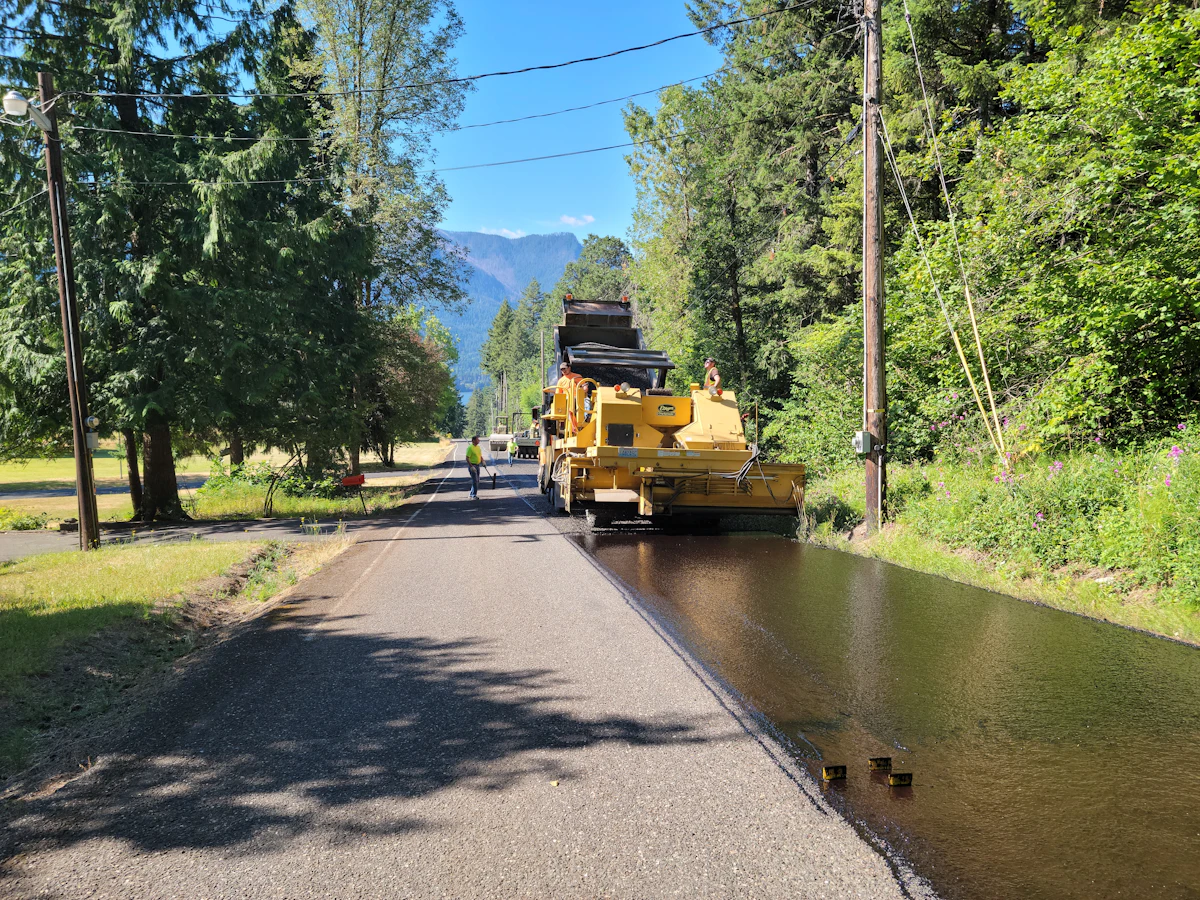
Concrete & Road Base
Can supplement mined material in infrastructure projects where approved.
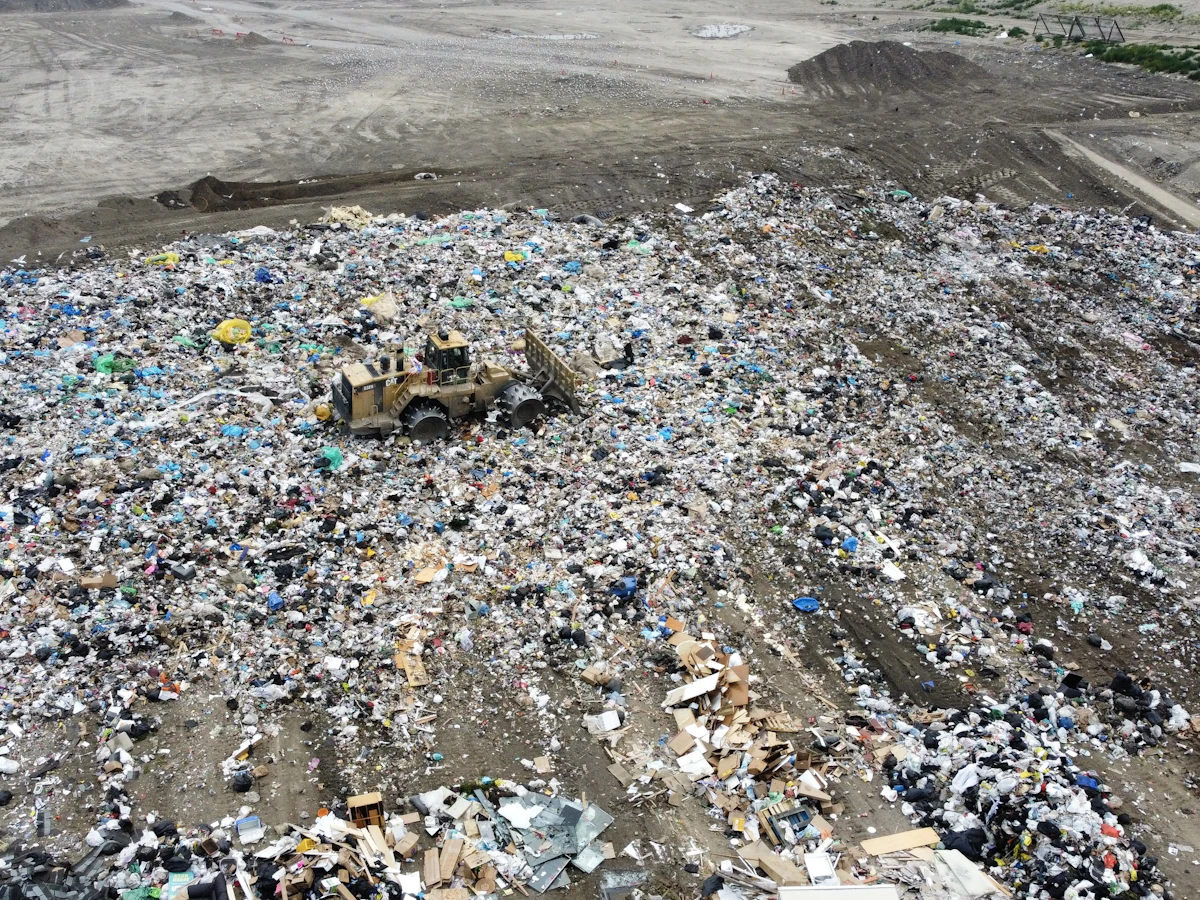
Landfill Cover
Can serve as daily cover where regulations allow.

Landscaping Soils
Can be blended into manufactured soils for green spaces.
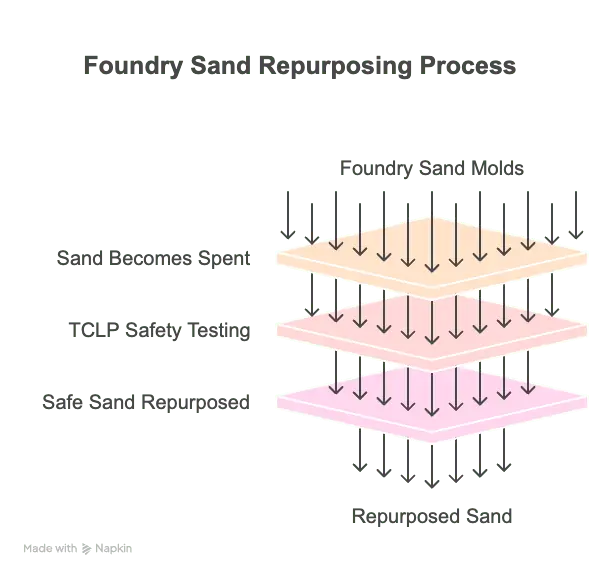
TCLP testing
What is the TCLP Test?
The Toxicity Characteristic Leaching Procedure (TCLP) is an EPA laboratory test used to determine whether waste material, such as spent foundry sand, may pose environmental or public health risk.
Waste materials can release chemicals or heavy metals into soil or groundwater, especially under rain or landfill conditions. TCLP simulates those conditions in a controlled lab and measures what may leach from the material.
- A material sample is mixed with a mild acidic solution that mimics landfill or rainfall conditions.
- The sample is soaked and agitated for a set period so potential contaminants can leach into the solution.
- The solution is analyzed for hazardous substances, including heavy metals such as lead, arsenic, or cadmium.
If measured concentrations are below the federal toxicity-characteristic thresholds, the sample does not exhibit that hazardous-waste characteristic for the constituents analyzed. That result alone does not approve a material for reuse.
If results exceed a toxicity-characteristic threshold, the material may be regulated as hazardous waste and must be managed under applicable federal and state requirements.
TCLP results are one part of characterizing spent foundry sand for possible use in construction, landscaping, landfill cover, or another approved application.
Reuse decisions may also require broader chemical characterization, engineering specifications, end-use controls, and state or project approvals.
State-by-state guidance
View reuse guidance for your state.
View state guides covering reuse practices, requirements, and common applications.
Use the map or open a guide directly below.
Do not see your state? ARS can still help evaluate testing, reuse fit, and next steps.
Want to know if your material can move into reuse?
Share your material type, volume, location, and testing status. ARS can help you find the next step.